
“When will it arrive?” is usually the first question a Maltese importer asks, and for good reason. Transit time decides how much stock you hold, when you place orders and whether a promotion or project starts on time.
In this guide we explain how road freight reaches Malta, what affects the journey, and how long shipments typically take from ten of the island’s most common European trading partners. All times are door to door: from collection at your supplier’s premises to delivery at yours.
How road freight reaches Malta
Malta has no land border, so every trailer from mainland Europe finishes its journey by sea. A typical shipment follows four stages.
1. Collection
Your goods are picked up from the supplier, either directly by our own truck or through a trusted partner agent who consolidates them with other loads. Collection is planned around the next suitable sailing, so the day your goods are ready has a direct effect on delivery.
2. The road leg to Italy
The trailer is then driven south to an Italian port. The main roll-on/roll-off routes to Malta run from Genoa, Livorno, Salerno and Catania, and together they carried around 54,500 trailers in 2025.
3. The sea crossing
At the port, the trailer is loaded onto a scheduled ro-ro vessel and shipped to Malta. Your goods stay inside the same trailer throughout, which keeps handling to a minimum.
4. Delivery in Malta
On arrival, the trailer is collected at the port and driven straight to your premises. If you need storage first, we can hold your goods at our Ħal Far depot until you are ready.
What affects transit time
No two shipments to Malta take exactly the same time. These five factors have the biggest influence on when your goods arrive.
Distance to port
A load collected in northern Italy reaches the quay far sooner than one from Poland or the UK. The further the collection point is from the Italian ports, the longer the road leg and the more drivers’ rest periods it involves. Collections from southern Germany can often reach port within a day or two, while northern Europe needs several days.
Ferry schedules and collection day
Sailings to Malta run on fixed days, so missing a departure by a few hours can add a day or more. Goods that are ready early in the week usually make that week’s sailing, while late-week collections may wait for the next one. Booking early lets us match your collection to the right sailing.
Groupage or full load
A full truck load travels directly from your supplier to the port. A groupage shipment waits to be consolidated with other customers’ goods, which typically adds a day or two. For a few pallets, it is often the most cost-effective option.
Driving rules and public holidays
EU drivers’ hours rules limit how long a driver can be on the road each day. Weekend lorry bans in countries such as Italy, Germany and France, together with national public holidays, also shape the schedule. We plan routes around these restrictions in advance.
Weather and seasonal peaks
Rough seas can occasionally delay sailings. Capacity also tightens before Christmas and in early summer, when demand for space on trailers and vessels is at its highest. Ordering earlier ahead of these periods protects your delivery dates.
Typical transit times from 10 European countries
The times below are typical door-to-door times for a full truck load, in working days, from collection to delivery in Malta. They assume goods are ready on the agreed collection day and the trailer makes its planned sailing. Groupage shipments may take a day or two longer.
- Italy: 2–4 working days, depending on how far north the collection point is
- Switzerland: 3–4 working days
- Austria: 3–5 working days
- Germany: 3–5 working days, with southern Germany at the shorter end
- France: 3–5 working days
- Belgium: 4–6 working days
- Netherlands: 4–6 working days
- Spain: 4–6 working days
- Poland: 5–7 working days
- United Kingdom: 6–8 working days, including customs formalities since the UK left the EU
These are planning guides rather than guarantees. Because we run weekly pick-ups across Europe on fixed schedules, we can give you a firm estimate for your specific collection point and date when you request a quote. For a wider look at how road compares with sea and air, read Road, Sea or Air Freight to Malta? How to Choose by Cost, Speed and Cargo.
How to keep your shipment on schedule
Most delays can be avoided with a little planning. These steps make the biggest difference:
- Book early. Give us collection details a few days before your goods are ready, so we can secure space on the right sailing.
- Share complete information. Accurate dimensions, weights and addresses prevent re-planning. Our freight quote checklist lists everything we need.
- Have paperwork ready. Invoices and packing lists, plus customs documents for non-EU origins such as the UK, should travel with the goods or reach us in advance.
- Plan around peaks. Order earlier ahead of Christmas, Easter and summer. Our guide to planning around peak season explains how.
- Choose the right service. If timing is critical, a dedicated full load avoids consolidation time. See Groupage vs Full Truck Load for the trade-offs.
Making Transit Times Work for Your Business
Transit time to Malta depends on more than distance. Ferry schedules, collection days, the service you choose and the season all play a part.
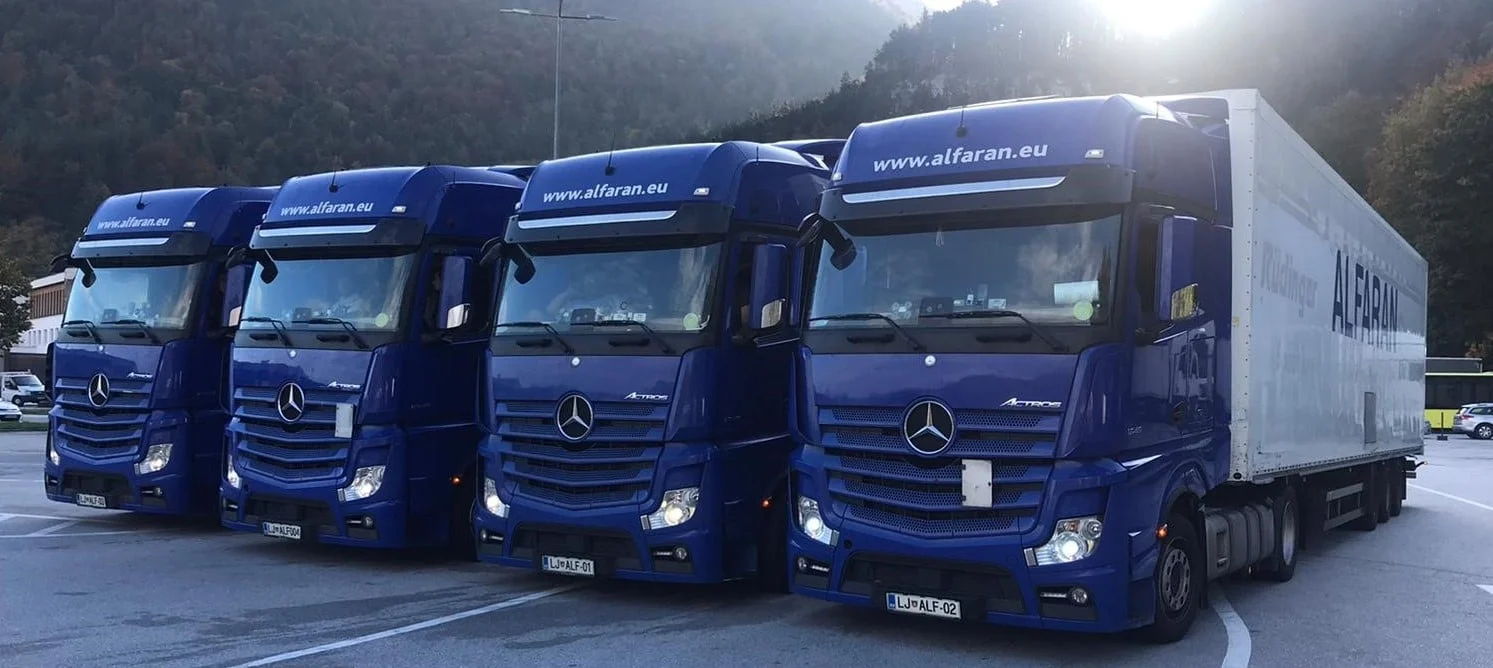
With weekly pick-ups across Europe and its own fleet, Alfaran Trailers can give you a firm delivery estimate for every shipment, so you can plan your stock with confidence.
Frequently asked questions
How long does road freight from Italy to Malta take?
Typically two to four working days door to door, depending on where in Italy the goods are collected and which sailing the trailer makes.
Why does groupage take longer than a full load?
Groupage shipments are combined with other customers’ goods before departure. Waiting for consolidation and making extra collection stops usually adds a day or two.
Do refrigerated goods take longer to reach Malta?
No. Temperature-controlled trailers follow the same routes and schedules, holding settings from +25°C to −25°C throughout. Read more about our refrigerated transport service.
Does the ferry crossing add much time?
The crossing itself is only one stage, but sailings run on fixed days. Planning collection around the sailing schedule is what keeps the overall transit time short.
Can you deliver faster if it is urgent?
For urgent consignments we can discuss a dedicated full load, or arrange air freight through our partner network. Tell us your deadline and we will advise on the quickest option.

